
Sample fees confuse buyers more than any other factory charge, usually because nobody explains what the fee is actually buying. So here is the plain version from a factory in Bandung (Indonesia): what samples cost in 2027, why charging for them is the sign of a real factory, and how the fee is structured so that brands who proceed with production get it back. The short answer to “should you pay for samples” is yes, and here is why that is good news.
What do sample fees look like in 2027?
The published ranges sit close together. Fabrickly’s 2026 starting-a-brand guide puts sampling at $50 to $150 per round, with two or three rounds normal before production. Valtin Apparel prices heavier construction, hoodies for example, at $100 to $200 per sample where fabric complexity and detail add work. PT Outwear’s figures of $80 to $120 come with the practical note that many manufacturers credit those fees against the resulting bulk order. Sampling at World KNK runs one to two weeks per round, quoted per style, with the same credit structure applied when the production order follows. Woven programmes carry their own pattern work, which the fee reflects honestly rather than hiding inside the bulk price later.
Why do real factories charge for samples?
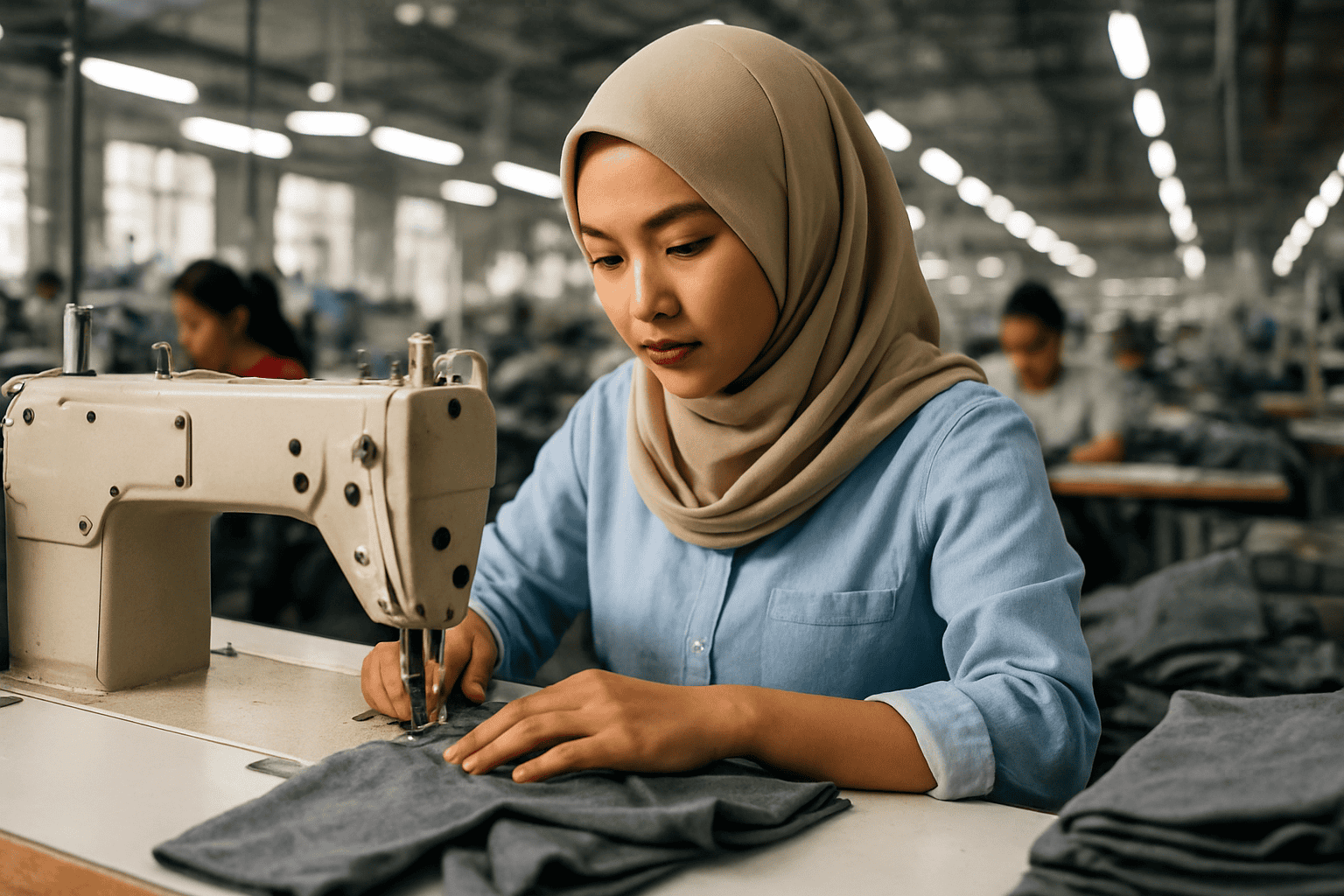
Because a sample consumes everything a bulk run consumes, without the volume that spreads the cost. Pattern-making or adjustment, fabric pulled for one garment, machinist hours on a single piece, finishing and freight: the sample line of a factory is a genuine production line running at its least efficient. Industry writing on the subject, including the guides behind the ranges above, adds the market signal: manufacturers offering free custom samples are frequently trading companies rather than factories with their own floor, because no real production house gives away its scarcest resource.
The fee also aligns incentives. A buyer who has invested in samples reviews them properly, answers factory questions quickly, and freezes the pack before bulk; a buyer with free samples has nothing anchoring the process. Neither party says this aloud, but every experienced factory has watched the free-sample dynamic end in a rushed, unhappy production run.
How is the fee credited against production?
The standard structure is simple and worth asking for by name: the sampling fee is deducted from the invoice of the production order that follows. IK Apparel describes crediting the sample cost against the bulk order as a common, reasonable arrangement, and it is our structure too. The economics work for both sides. The factory is covered for its real costs whether or not the brand proceeds, and a brand that proceeds effectively sampled for free. Ask the question before the first round; a factory that answers it cleanly is showing you how it handles every other money question.
What does the fee cover, line by line?
Pattern work comes first: adjusting or building the pattern your style needs before any cloth moves. Then fabric preparation for a single garment, cutting, machining at single-piece efficiency, pressing and finishing, and finally inspection against the pack with photos and notes returned to you. Each line is real work at its least efficient scale, which is why a sample can cost a meaningful fraction of what the per-piece bulk price will later be, even though the sample is one garment.
Responsibility follows the same lines. A sample that misses the pack due to factory work is corrected at the factory’s cost; a sample that reveals gaps or changes in the pack becomes a quoted revision. Factories that explain this split up front are describing a process, not negotiating an escape hatch, and that distinction is worth more than a few dollars of fee either way.
How is the fee handled across a programme?
Per style, because each style carries its own pattern and setup. Programmes with several styles budget one fee per style and one credit structure across the production order as a whole. The approved sample then becomes the reference for everything that follows: the benchmark reorders are measured against, sometimes called the golden sample in industry writing. Protect it, keep it with your records, and ask where the factory’s sealed reference lives, because that question tells you how reorders will be judged before you ever place one.
What drives the fee up or down?
Three things, mostly. Construction complexity, since a lined jacket takes far longer than a tee. Fabric behaviour, because stretch and delicate cloths demand slower handling; the fabric weight guide covers why that matters from selection. And above all, the completeness of the tech pack: each extra round exists because something in the pack was missing. The tech pack mistakes that delay sampling are the same five everywhere, and an afternoon spent on tolerances, BOM and construction notes is the cheapest fee reduction available.
For the whole budget frame, the cost per piece benchmarks place sampling as one of four lines in a first order, and the honest breakdown of what drives garment cost explains why sample pricing tracks bulk pricing rather than floating free of it.
Brands testing the water with smaller quantities run the identical structure through our sister company Kizen Lab, FOB from 500 pieces; its buyer-side guide to whether to pay for samples covers the same ground for first programmes.
Which fee questions belong in the first round?
Three, and they belong in the first email: what the sample fee is per style, whether it credits against the production order, and how many rounds a normal style takes. They sit naturally alongside the capacity and communication questions in our questions to ask a manufacturer, and together they cover most of the money conversation before any cloth is ordered. Factories that answer all three in writing are showing you exactly how the next six months of small print will be handled.
Sample fee questions from buyers
Is a sample fee refundable?
Refunded outright is rare; credited against the production order is standard and is how we structure it. Ask before the first round so the arrangement is written rather than assumed.
How many sample rounds should a programme budget?
Two rounds is the honest planning number for a new style: one to review fit and construction, one to confirm corrections. Programmes with complete tech packs usually stay at two; programmes without packs discover why the guide above exists.
Are free samples ever genuine?
For stock items a factory already produces, sometimes. For custom designs built to your spec, treat free sampling with caution, since the work is real and the cost has to sit somewhere, usually in the bulk price or the quality.
Do sample fees apply to every style in a programme?
Yes, per style, because each style carries its own pattern work and setup. Multi-style programmes budget one fee per style, and the credit structure applies across the production order as a whole.
Related Articles
- Tech Pack Mistakes That Delay Sampling Rounds
- Garment Sampling Explained: Why Samples Matter First
- Clothing Manufacturing Cost Per Piece: 2027 Benchmarks
- Should You Pay for Samples? The Honest Answer (Kizen Lab)
- hotel and resort uniform manufacturing in Indonesia
- Retail Chain Corporate Shirts: Head Office & Field Teams
- Auction House Uniforms from 1,000 Pieces
- Solar & Renewables Company Uniforms from 1,000 Pieces

