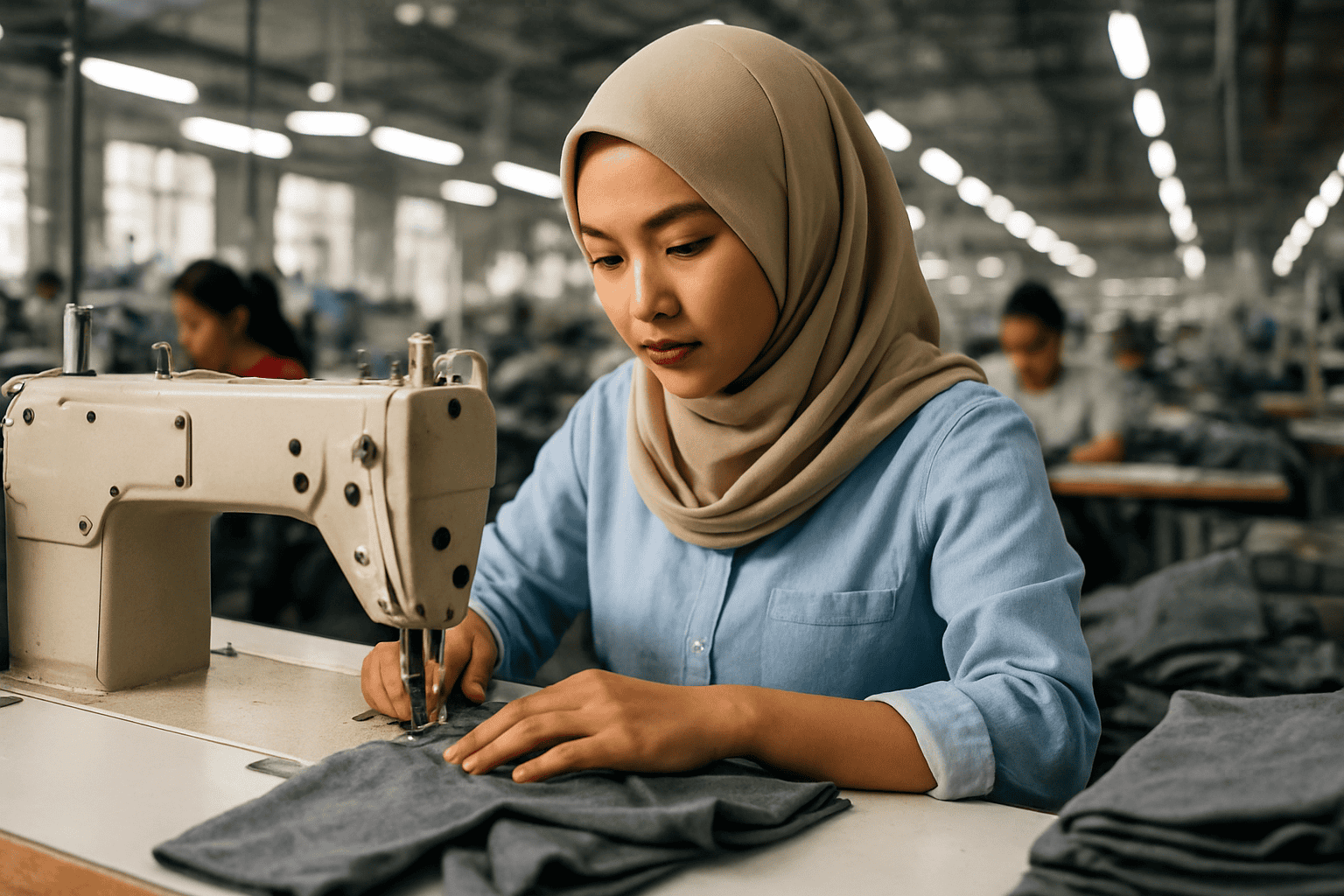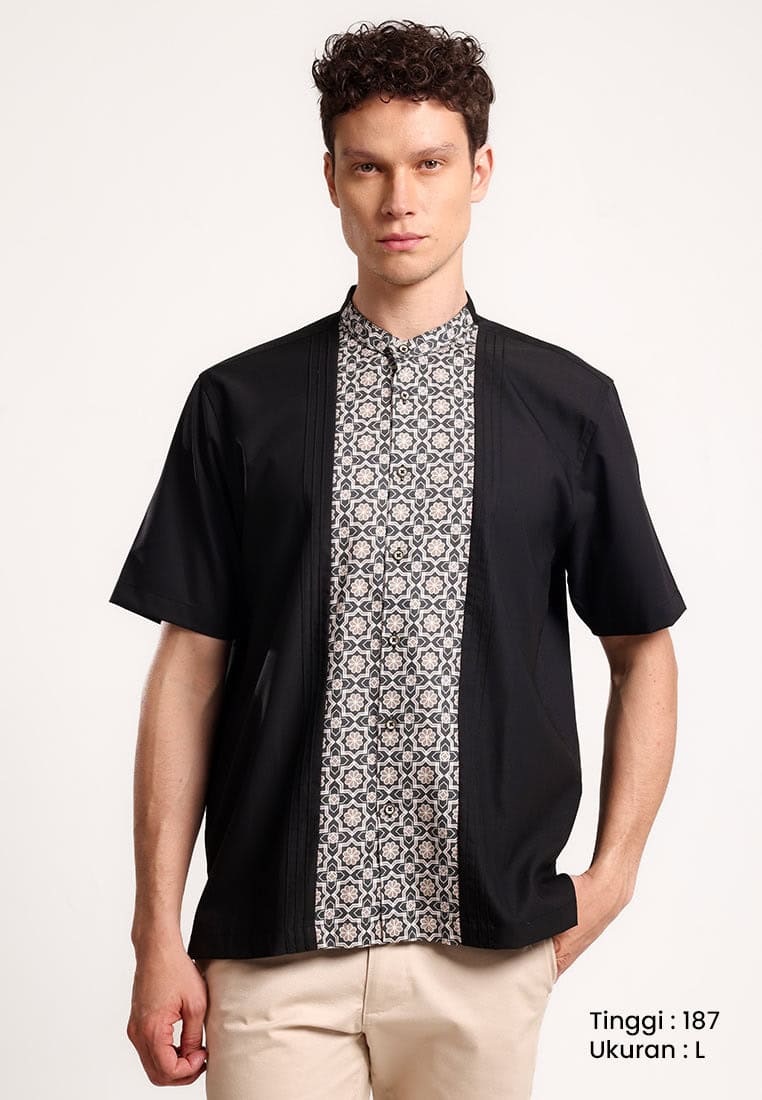
Ask a factory what delays sampling and the answer is rarely capacity; it is the pack. A tech pack with gaps turns every sampling round into an interpretation exercise, and each interpretation costs one to two weeks. After years of reading packs in Bandung (Indonesia), the same mistakes account for most slow rounds, and none of them are hard to fix. Here are the five that delay sampling most, written from the receiving end, with what resolves each before it costs your calendar.
Why do tech pack mistakes cost weeks, not days?
Sampling moves in cycles: brief, sew, ship, review, repeat. A gap discovered at review means a fresh round rather than a adjustment, so every hole in the pack is priced in weeks. The published evidence agrees; Storiginator ranks the most common tech pack mistakes by how often they cause sample rejections, The Fashion Coterie names skipping the pack entirely as the top new-brand error, and a root-cause analysis of factory delays shared on LinkedIn reported that making tech pack review mandatory before sampling cut sample rejections by around 45 per cent. The review finds the holes while they are still cheap.
Mistake one: measurements without tolerance
A measurement chart without tolerances forces every party to guess what counts as correct. Sewing carries natural variation, and the fix is a tolerance column decided before sampling: the range you will accept on each point, so the sample is judged against something achievable. On woven programmes cut from Lectra digital patterns, the cutting is precise; the tolerance still matters, because it defines agreement rather than accuracy.
Mistake two: a bill of materials with gaps
The BOM names every physical thing in the garment: fabrics, threads, buttons, labels, interlinings, drawcords, the obvious and the easily forgotten. Lissy Clothing’s tech pack checklist counts the BOM among the essentials, and the failure mode when it has gaps is consistent: assumptions fill the holes, and an almost-right sample comes back. The fix is a physical walk-through of the garment, seam by seam, writing down everything touched.
Mistake three: stitching described as “good quality”
Construction notes like “good quality stitching” transfer no information a machinist can sew to. CallTheStyle’s review of failed samples flags vague stitching specifications as a pack-killer, and the fix is a construction page naming stitch class, density and reinforcement per seam. On wovens this matters twice over, because seam choice affects both the look and how the garment behaves across the body after washing.
Mistake four: ignoring how the fabric behaves
Fabric stretch, recovery and weight change how a pattern must be cut and how seams must be built; CallTheStyle lists ignored fabric properties among outright sample-failing mistakes. Name the composition, weight and stretch behaviour in the pack, and where the behaviour is unusual, say so and ask the factory to advise. The fabric weight guide covers the selection side, and digital pattern-making covers how precise cutting turns a clear spec into an accurate garment.
Mistake five: changes after sampling is approved
An approved pack that keeps moving is not approved. HEM Apparel’s review of brand-manufacturer friction lists post-approval changes among the most common sources of broken production relationships, because every revision restarts part of the pre-production clock. The fix is process discipline: freeze at approval, and treat later changes as formal revisions with their own cost and timeline, quoted rather than absorbed.
What should the pack contain at minimum?
Four sections carry most of the value: labelled technical sketches, a measurement chart with tolerances, a complete BOM, and construction notes per seam. That is enough for a factory to quote and sample a first style honestly, and it matches the preparation order in our pre-production checklist. Everything else, grading rules, packaging specs, artwork placement, layers on as the programme grows.
One habit worth adopting early: version control. Name the pack and date every revision, so nobody sews to last month’s file, and send updates as whole documents rather than fragments. Half the confusion in fast-moving programmes comes from two versions of a pack circulating at once, and the fix is a filename convention agreed in the first week.
One habit worth adopting early: version control. Name the pack and date every revision, so nobody sews to last month’s file, and send updates as whole documents rather than fragments. Half the confusion in fast-moving programmes comes from two versions of a pack circulating at once, and the fix is a filename convention agreed in the first week.
The budget view closes the case: each saved sampling round is one to two weeks and a sample fee back in your calendar, against the cost per piece benchmarks that frame a first order. Programmes from 1,000 pieces per style on FOB terms all start the same way, with a pack that says what it means.
How does a factory actually read your pack?
Different people read it for different things, which is why partial packs keep failing. The pattern maker reads the measurement chart and construction notes; the sampler reads the BOM and the sketch to assemble the garment; quality control reads the tolerances to judge the result. A pack written for one reader fails the other two. The practical test before sending: hand the pack to someone who has not seen the garment and ask them to describe it. Whatever they get wrong is a page that needs work, and the fix takes minutes on this side of sampling and weeks on the other.
What review should happen before sampling starts?
A formal one, with the factory, before any cloth moves. Send the pack, ask specifically for gaps, ambiguities and anything the machinists would interpret, and treat the questions as the value rather than a delay. That review is exactly what the LinkedIn-reported case study credited with cutting sample rejections by about 45 per cent, and from our side of the table it is the single most useful hour in pre-production. The brands who welcome it sample less and ship more.
Tech pack questions from buyers
Who reviews the tech pack before sampling?
The factory should, formally, before any cloth is cut. The LinkedIn-reported case where mandatory review cut rejections by 45 per cent is the model: gaps surface in a conversation instead of in a wrong sample.
Can I start production without a tech pack?
You can start a conversation without one, and a reference sample helps, but bulk without a pack means every measurement, material and seam is an assumption. The four-section minimum covers a first style honestly.
How detailed should construction notes be?
One line per seam: stitch class, density, reinforcement. If two factories could read the same line and sew differently, the line is not finished.
What happens when I want a change after approval?
Send it as a formal revision and ask for the time and cost effect in writing before it is adopted. Factories do not mind changes; they mind changes that arrive disguised as nothing.
Should the tech pack include packing specifications?
Yes, once a programme is real: polybag thickness, carton markings, fold dimensions and carton quantity all belong in the pack, because packing surprises are the last kind anyone wants at shipment.
Related Articles
- Garment Sampling Explained: Why Samples Matter First
- Digital Pattern-Making: Why Fit Starts Before Cutting
- 5 Things to Prepare Before Contacting a Clothing Factory
- Tech Pack Mistakes That Slow Your Sampling (Kizen Lab)