Two brands can send near-identical shirts to two factories and receive quotes 40 per cent apart. Nobody is necessarily ripping anyone off, garment cost is driven by a handful of factors, and small decisions move the number more than most brands expect. Here is the honest breakdown.
Fabric Is Usually Half the Cost
Across the industry, fabric typically accounts for 35 to 50 per cent of a garment’s cost, the single biggest driver. Add cutting waste (commonly another 5 to 12 per cent on top of the fabric line) and material decisions dominate your quote: fabric type, weight, width, and how efficiently the pattern lays up on the marker.
Practical takeaway: a small change in fabric choice often moves your unit cost more than any negotiation ever will.
Make Time Is the Second Driver
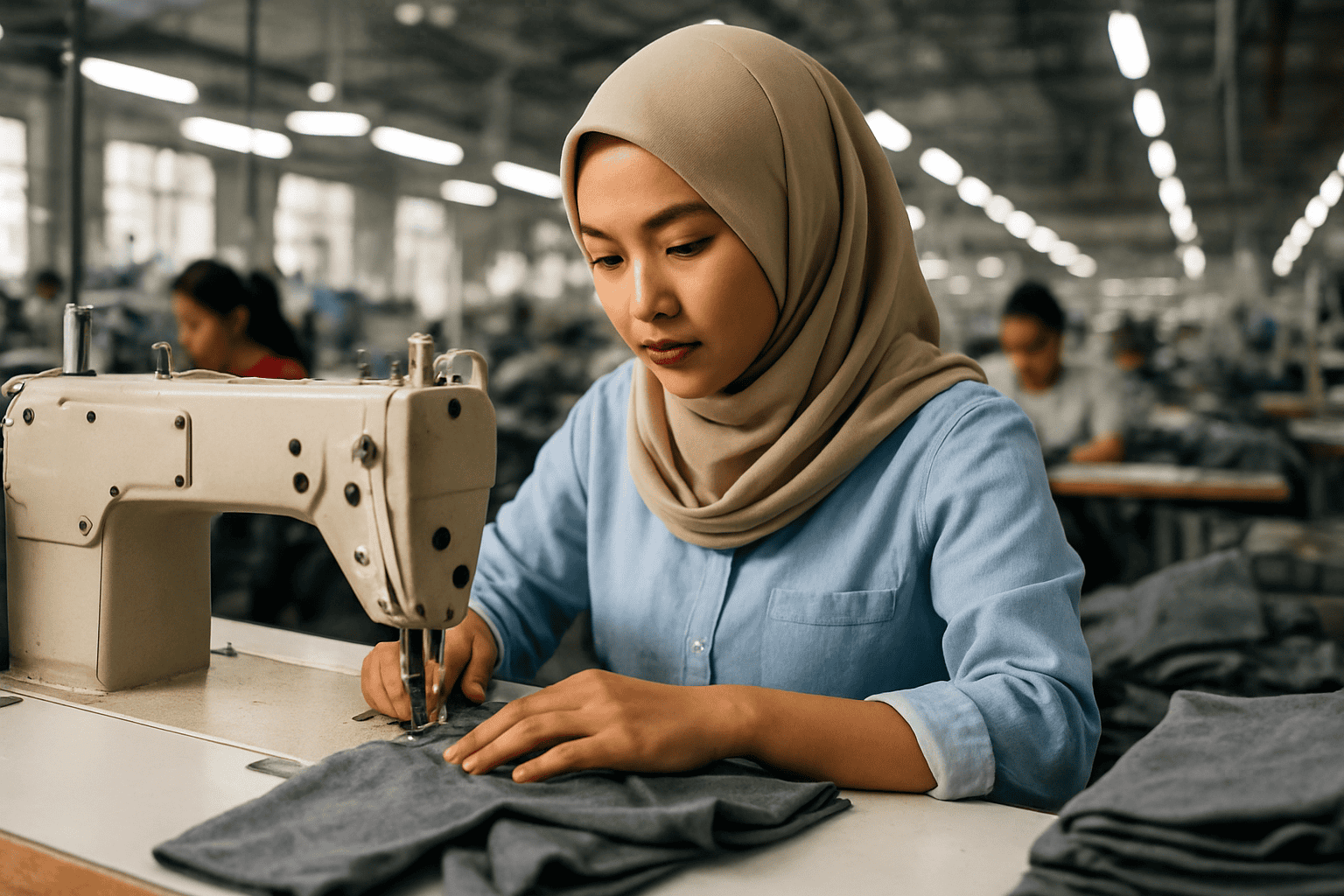
Cut, Make and Trim, the actual labour, typically runs 15 to 35 per cent of cost, driven by how many minutes of operator time each garment needs. A simple tee might take eight minutes; a lined jacket with linings, pockets and closures can take several times that. Complexity, not size, is what makes garments expensive to make.
The Small Stuff Adds Up
Trims (labels, buttons, zips, packaging) usually add 5 to 10 per cent, and packaging another 2 to 5 per cent. Custom trims have minimum orders of their own, a custom metal zip at 200 pieces costs far more per unit than a stock zip at 2,000.
Quantity Changes Everything
Setup work, pattern-making, sampling, markers, machine setting, is largely fixed per style. Spread it across 1,000 pieces and it barely shows per unit; spread it across 100 and it dominates. That is why unit costs drop steeply as quantities rise, and why honest factories publish minimums instead of hiding them in the quote.
How to Get a Better Quote
- Choose stock fabrics where you can, custom dyeing and printing carry mill minimums and longer lead times
- Simplify construction, every pocket, placket and panel adds minutes
- Limit colourways, each colour adds dye lots, waste and handling
- Be clear on trims early, custom trims need lead time and minimums
- Give real quantities, honest numbers get honest pricing
Quotes You Can Actually Compare
A good quote shows what is inside it: fabric, make, trims, finishing. If a quote is a single mystery number, you cannot compare it, or improve it. Our quotes break the cost down, and if your target price is not achievable, we will tell you what is achievable instead.
Talk Numbers With Us
Send us your style and quantity for a transparent breakdown Contact World KNK to start the conversation.
Related Articles
- Garment Production Lead Times: What to Expect
- Garment Sampling Explained: Why Samples Matter First
- FOB (Full Service) Manufacturing Explained
- Non-Woven Garments: What They Are and Who Uses Them (Kizen Lab)