Table of Contents
- From Fast Fashion to Function
- Introduction
- 1. The Cost-per-Wear Shift: Why Longevity Wins
- 2. Australian Brands Prioritizing Durability
- 3. Sustainable Design Principles for Longevity
- 4. End-to-End Partnerships: From Fabric Sourcing to Aftercare
- 5. The Role of Transparency and Stewardship in Australia
- 6. Consumer Education: Making Smart, Long-Lasting Choices
- FAQ
- Conclusion
From Fast Fashion to Function
You may have noticed a shift among Australian designers away from rapid turnover toward durable, versatile pieces. The aim is to lower cost per wear by designing for longevity and everyday usefulness. This aligns with broader calls to rethink buying, wearing, and repairing clothing, as highlighted by recent coverage in Forbes and AZoCleantech.
Think of a midweight jacket with reinforced seams, water resistance, and a plan for ten years of repair support. That translates to a piece you wear weekly for years, not seasons. Brands like Patagonia and The North Face have long championed this mindset, and Australian labels are adopting fabrics and construction that endure repeated wear across multiple seasons. The result is clothing that stays relevant in your wardrobe longer, reducing the urge to replace items every few months.
For manufacturers, the payoff is tangible: fewer production cycles, steadier fabric orders, and clearer cost per wear. For consumers, the logic is simple: a well-made tee or jacket that outlives trends delivers better value over time while cutting textile waste. A practical test is tracking wear per month and repair costs over a year to compare against cheaper alternatives.
World KNK supports this transition with end-to-end garment production from fabric sourcing to final delivery. We help brands shift from high-volume turnover to durable, versatile pieces.
Introduction
World KNK’s role in shaping durable garments from Indonesia to Australia
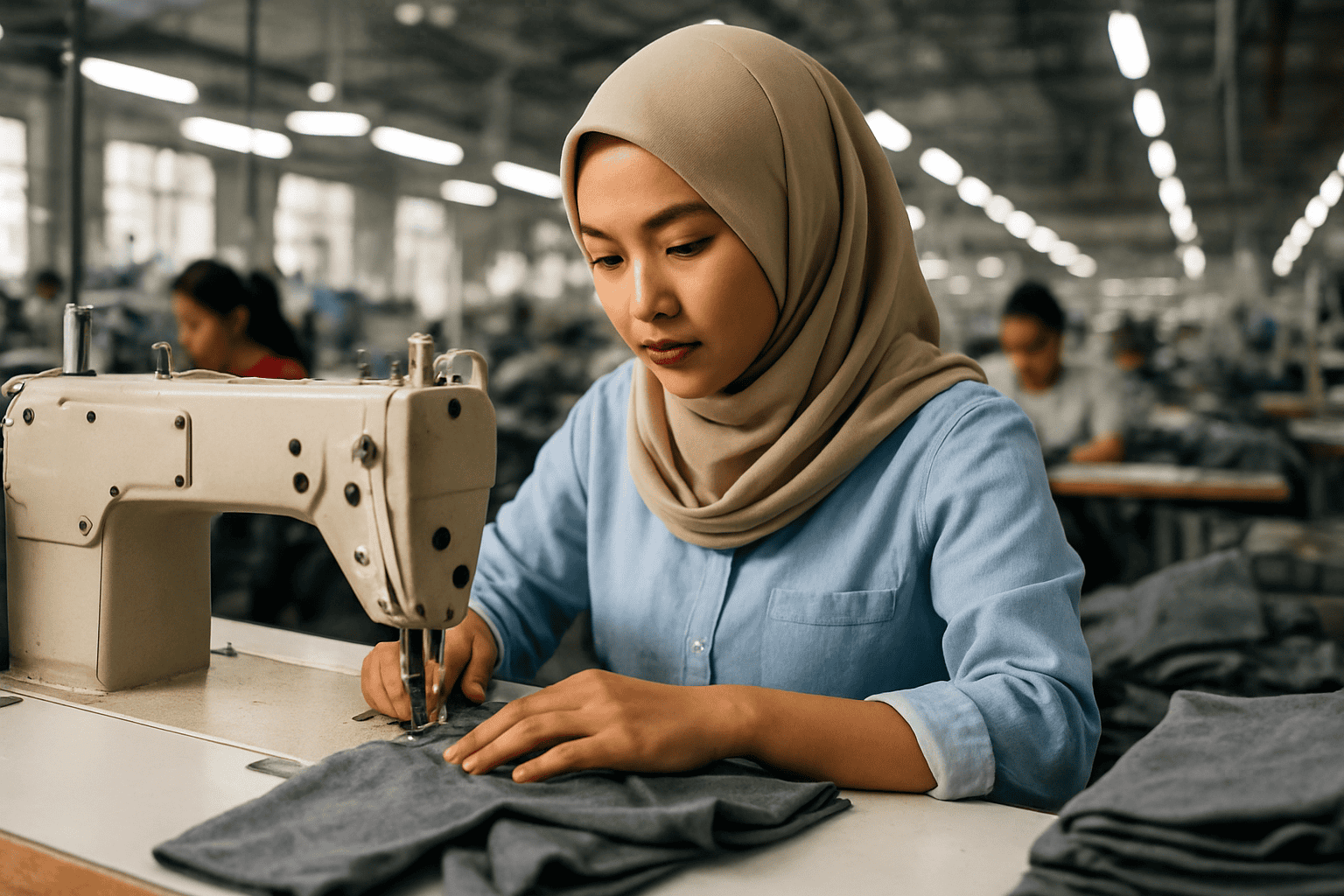
World KNK blends traditional craftsmanship with modern manufacturing to deliver reliable, long-lasting garments. Our end-to-end service covers fabric sourcing, production, and delivery, providing partners with a clear path from Bandung to Australia.
We collaborate with brands on durable designs that withstand repeated wear and repair.
Practical tip: to maximize longevity, specify reinforced seams, double-stitched hems, and repair-friendly features like exposed buttons and removable patches during design briefings.
Implementation example: a mid-market outdoor label partnered with World KNK to redesign a three-season jacket using a high-tensile canvas and modular components, extending its lifecycle by 40 percent in 18 months.
Edge case note: in markets with hot summers, prioritize breathable fabrics and colorfast dyes to prevent premature replacement, a nuance World KNK addresses through regional fabric sourcing.
The Australian Fashion Council supports an ecosystem where long‑lasting design, skilled craftsmanship, and safe working conditions are central, helping brands align with consumer demand for durable, ethical wardrobes.
1. The Cost-per-Wear Shift: Why Longevity Wins
Understanding cost-per-wear and its impact on consumer choice
Cost-per-wear measures how often you actually use a garment versus what you paid. A piece built for durability over multiple seasons lowers the average cost per wear, making it a smarter long-term purchase.
Australian shoppers are increasingly weighing durability as part of value. A jacket with reinforced seams and versatile styling can span outfits and occasions, encouraging repeat brand choices and reducing waste.
From price tags to value: redefining value in modern wardrobes
Value now centers on longevity, repairability, and timeless design. Consumers assess fabric resilience, stitching quality, and care requirements as part of total ownership costs.
- Fewer replacements reduce cumulative spending over several years.
- Timeless silhouettes lessen the need for frequent updates.
- Repairability extends life without buying new items.
Durable construction paired with clear repair pathways lets brands justify higher upfront prices by delivering better cost-per-wear outcomes for wearers.
Bridging fashion and circularity: what this means for brands and shoppers
Design choices that enable reuse and repair, modular components, reinforced seams, and updatable styling, keep garments circulating longer. This supports circular economy goals and reduces textile waste.
What this means for Australian fashion brands
Clear communication about repair options and durability builds trust. For World KNK, the focus is on long-lasting fabrics, robust stitching, and practical care guidance that align production with longevity.
Forbes coverage on lowering cost-per-wear informs this shift, while AZ Cleantech emphasizes rethinking buying, wear, and repair. These perspectives reflect consumer attitudes across Australia and beyond.
In practice, the push toward long-term use shapes product design, material selection, and aftercare support. The result is lower textile waste, greater value for shoppers, and a more circular fashion economy.
World KNK supports this transition with end-to-end manufacturing capabilities from fabric sourcing to final delivery.
2. Australian Brands Prioritising Durability
Case studies of Australian labels embracing long-lasting materials and construction
Australian designers are refining durable fashion through durable textiles paired with repair-friendly construction. One label prioritizes heavy‑duty fabrics that resist pilling and fading, with reinforced seams on core wardrobe staples. Another brand explores modular design, enabling component swaps or partial refreshes instead of full outfits. The result is clothing that retains value across seasons and events, supporting ethical standards and circularity. The Australian fashion industry continues to push for longevity, transparency, and responsible production across the supply chain.
Savers plays a pivotal role in Australia’s circular fashion landscape, offering affordable, gently used clothing that extends value and delays new production. Their stores help shoppers refresh wardrobes with cost-per-wear in mind, while supporting reuse and recycling goals.
Designers test fibers for natural resilience and low abrasion against real wear cycles. The goal is garments that hold their shape, color, and fit after repeated use, even when minor repairs or alterations are needed. This approach supports longer lifespans and fewer urgent replacements, aligning with consumer desires for ethical options and reduced textile waste.
Quality fundamentals: fabrics, stitching, and design for resilience
Durability starts with material choice. Comfort matters alongside strong, double-stitched seams in frequently worn items. The silhouette should be timeless, tolerating styling shifts without showing wear quickly.
- Reinforced pockets and stress points to resist tearing.
- High‑twist threads and topstitching for longer‑lasting seams.
- Simplified hardware and minimal trims to reduce failure points.
World KNK and its subsidiary Kizen Lab collaborates with Australian ateliers to pilot repair‑friendly features like removable elbows on jackets and modular cuffs that can be swapped after wear. Retail partners host in‑store repair clinics to empower customers with quick fixes, extending garment life. Data from recent cohorts show modular components help garments retain resale value after two seasons, underscoring the tangible benefits of durable design.
3. Sustainable Design Principles for Longevity
Timeless silhouettes and modular styling
Choose classic shapes that stay relevant beyond the season to wear fewer pieces longer. A well-curated capsule of 8 to 12 items can cover work, weekend, and events for extended periods.
Modular design allows you to refresh looks by swapping components rather than replacing whole garments. A modular blazer can pair with multiple bases, and detachable sleeves add seasonal variation without new purchases.
Repairability, recyclability, and upcycling in product design
Design for repair from the start. Accessible seams, reinforced patches, and clear care instructions make fixes straightforward for you or a local tailor. Carry a simple repair kit to extend life.
End-of-life considerations guide material choices. Opt for fibers and fastenings that ease disassembly and recycling, and seek fabrics labeled for recyclability with easily separable trims.
- Repair pathways documented with practical care guidance
- Materials chosen for ease of disassembly and recycling
- Upcycling opportunities emphasized during design, turning offcuts into new items
| Design Focus | Practical Outcome | Consumer Benefit |
|---|---|---|
| Timeless silhouettes | Longer wear before trend fatigue | Better cost-per-wear |
| Modular styling | Mix-and-match components | Greater outfit versatility |
| Repairability | Facilitates local fixes | Extended garment life |
| Recyclability | End-of-life processing readiness | Lower landfill impact |
These principles reinforce a circular approach to fashion. Durable construction, thoughtful material choices, and flexible design help reduce environmental impact while keeping style viable over time.
For brands and manufacturers, the focus shifts to designing for reuse, enabling repairability, and sourcing materials compatible with recycling streams. It also means educating consumers about proper care and the value of extending a garment’s life. World KNK supports this transition with end-to-end manufacturing expertise, helping you bring durable, modular, and repair-friendly products to market.
4. End-to-End Partnerships: From Fabric Sourcing to Aftercare
World KNK’s approach to fabric sourcing and production excellence
You deserve garments that endure. World KNK selects fabrics with real wear in mind and tests them for durability in everyday use.
In the global supply chain, China remains a major source of textiles and components, influencing price, scale, and innovation across Australian durable fashion.
We work with transparent supplier networks across Indonesia and Australia to keep origin and material integrity clear from yard to finished piece. We track fiber sources, weaving mills, and finishing facilities through a shared audit framework.
Quality shows up in patterns and construction. We test cuts for grain alignment, reinforce seams at stress points, and use stitching that holds up to repeated washes. This disciplined sourcing reduces waste and yields predictable, long‑lasting results.
- Traceable supply chains to verify origin and material integrity
- Fabric testing for abrasion, colorfastness, and wash durability
- Fabric blends chosen for longevity and comfort over time
Lifecycle services: repairs, care guidelines, and customer education
Care guides offer actionable steps for washing, drying, and stain treatment tailored to fabric type.
Repairs are available in‑house or through trusted tailors, addressing seams, zippers, hems, and minor fabric recoveries to extend wear.
Education emphasizes practical upkeep and responsible disposal. Shoppers learn to assess wear patterns, plan timely repairs, and evaluate refurbishment options as a piece ages.
5. The Role of Transparency and Stewardship in Australia
Brand accountability across the supply chain
You, the Australian consumer, want clarity from fiber to final fit. Brands are moving toward visible supply chains that reveal factory conditions, material origins, and environmental metrics. This transparency supports durable, cost-efficient wardrobes and helps you weigh ethical fashion claims against real-world practice.
- Public traceability of suppliers and audited facilities
- Independent verification of living wages and workplace safety
- Open disclosure of fabric sources, testing results, and certifications
Circularity frameworks and Australian stewardship initiatives
Australia is building formal circularity benchmarks to guide design, production, and end-of-life outcomes. Stewardship bodies encourage reuse, repair, and recycling, and reward brands that align with local ecosystems and changing consumer behavior.
| Framework | Focus | Implication for Consumers |
|---|---|---|
| Ethical Clothing Australia alignment | Labor rights and responsible manufacturing | Confidence in domestic production |
| Textile recycling programs | End-of-life processing and material recovery | Better disposal options and less landfill |
| Circular economy pilots | Repairability and product take-back | Longer garment lifecycles |
These efforts connect to broader movements around ethical fashion and recycled clothing. They chart practical pathways for brands to prove durability, support sustainable consumption, and reduce textile waste in landfills.
Why it matters for you and your wardrobe: prolonged garment life lowers cost-per-wear and reduces environmental impact. By supporting brands that publish transparent data and participate in circularity pilots, you help shift the industry toward longer-lasting designs and smarter disposal options. Secondhand clothing is a practical option to extend value and reduce new production demand.
World KNK is at the heart of this transition as a trusted manufacturer collaborating with global brands. In practice, request supplier audit reports, compare fabric mills for dye effluent standards, and choose take-back programs that include clear timelines and fees.
6. Consumer Education: Making Smart, Long-Lasting Choices
Shifting mindsets from churn to commitment
You can rethink your wardrobe by valuing pieces that endure. Quality over quantity lowers overall spending and reduces textile waste. When you buy less but buy better, you invest in stories, repairs, and timeless design rather than seasonal trends.
Australian brands are making education a core service. They share care guidelines, repair options, and refurbishment possibilities to keep garments in rotation. This helps you see value beyond the sticker price and understand how long a piece can perform across seasons.
Practical tips: care routines, repairs, and responsible disposal
- Care routines that extend life: wash at appropriate temperatures, line dry when possible, and treat stains promptly. For example, separate colors, avoid overloading the machine, and use a mild detergent to protect fibers.
- Repairs and alterations: reinforce seams, replace zippers, and adjust fits to revive wearable life. Seek local tailors or brand repair services for minor fixes within a week of noticing wear.
- Disposal decisions: prioritise repair, then refurbishment or resale through ethical channels to keep textiles circulating. If unsalvageable, choose council take-back programs or certified textile recycling partners.
Educated buyers benefit from transparent guidance on fabric performance, durability metrics, and end-of-life options. This practical knowledge translates into smaller wardrobes that still perform across seasons and activities. World KNK supports shoppers with clear metrics, helping you compare stiffness, pilling resistance, and repairability before purchase.
FAQ
What is cost-per-wear and why does it matter in fashion?
Cost-per-wear measures the value you gain from a garment over time. It considers durability, versatility, and actual wearing frequency. A well-made piece that lasts longer often delivers a lower cost-per-wear than frequent fast fashion replacements.
Practical example
Imagine a leather jacket bought for $300 that lasts five years and pairs with multiple outfits. The yearly cost per wear drops as you wear it across seasons and occasions.
How it shows up in decisions: you’ll invest in fabrics with proven longevity, like full-grain leather or heavy-duty denim, and you’ll favor construction details such as reinforced seams and secure hardware.
Actionable tips
- Track wear frequency for items you use weekly and compare to seasonal items you rarely touch.
- Estimate annual cost per wear by dividing price by average wears per year to guide future purchases.
How are Australian brands approaching durability without sacrificing style?
- Focusing on timeless silhouettes that work across seasons
- Using robust fabrics and reinforced construction
- Designing for repairability so pieces stay in rotation longer
Brand examples show how a classic blazer can be tailored with extra stitching and replaceable buttons, or how jeans use bar-tack reinforcements at stress points to resist wear.
How to assess durability in practice
Check fabric weight and composition labels, inspect seams for even stitching, and test hardware like zippers for smooth operation. Look for repair guides or in-house alteration services offered by the brand, such as World KNK. The Guardian has noted how durability shifts are reshaping consumer trust in fashion reporting.
What role do recycling and circular practices play in this shift?
Circular strategies keep garments in use longer. Brands are exploring textile recycling, take-back programs, and refurbishment to extend a piece’s life and reduce textile waste heading to landfills.
Real-world impact
Take-back programs in major cities enable customers to trade worn items for store credits, while refurbishment centers restore fabric integrity for resale. This reduces landfill burden and supports looped production.
World KNK manufactures durable garments and offers end-to-end production from sourcing to finishing.
Practical pathways for small brands
Use modular manufacturing so you can scale up or down without retooling. Pair with repair-friendly designs and clear refurbishment options to extend product lifespan.
How can consumers participate in sustainable consumption?
- Choose quality over quantity and support brands that offer repair options
- Care for garments to maximize lifespan
- Consider secondhand, refurbished, or recycled clothing as viable options
Conclusion
World KNK partners with designers who prioritize end-to-end quality, from material selection to aftercare. Our approach yields products that perform across seasons and activities, reducing the need for frequent replacements.