Alternative to China for Apparel Manufacturing
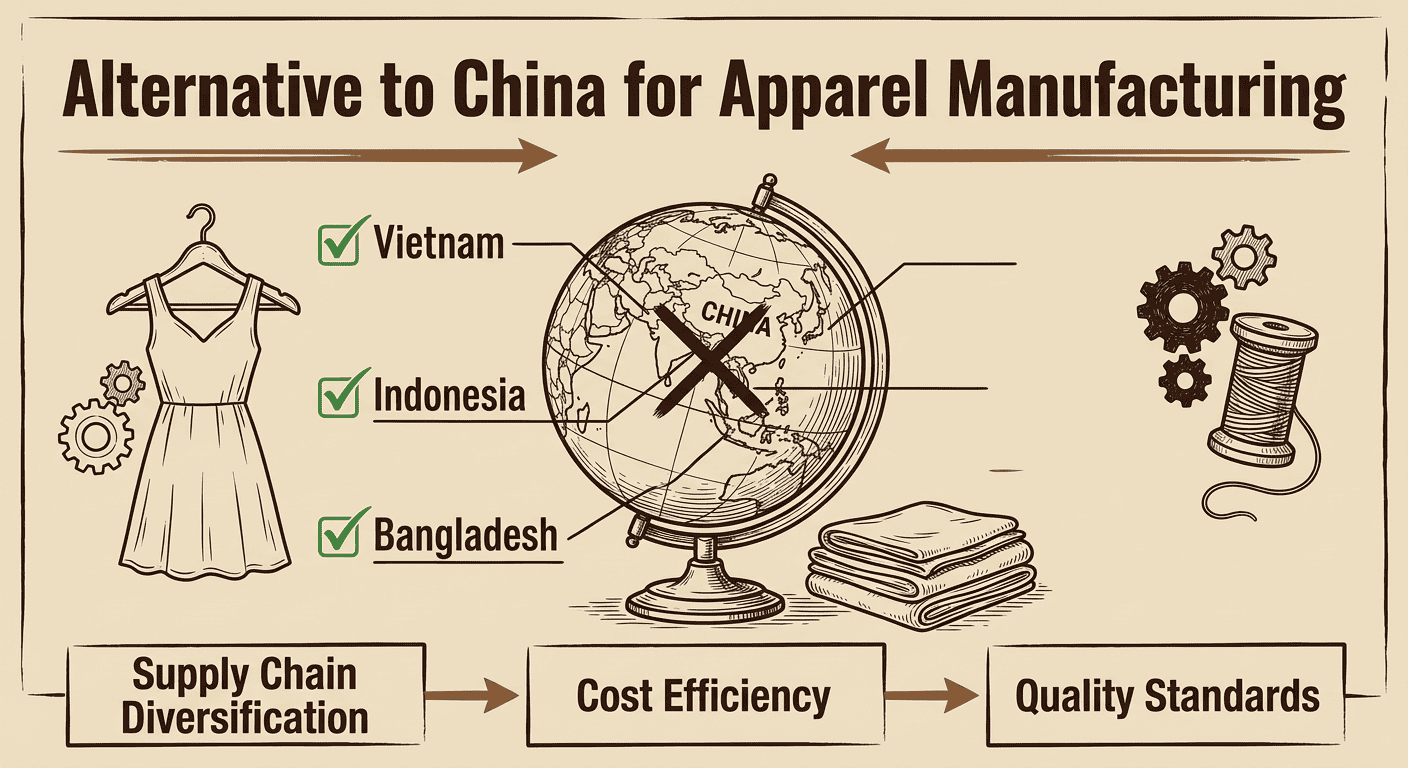
The global apparel industry stands at a turning point. For decades, China has been the undisputed leader in clothing manufacturing, producing roughly one-third of all garments shipped worldwide. But times are changing. Rising labor costs, supply chain disruptions, and shifting trade policies are pushing fashion brands to look beyond China for their production needs. If you’re searching for a reliable alternative to China for apparel manufacturing, you’re not alone.
The apparel trade is massive. It employs one in eight people globally and generates billions in revenue each year. Yet the industry’s heavy reliance on a single country creates risk. When China sneezes, the fashion world catches a cold. That’s why brands are actively exploring emerging markets that offer competitive pricing, skilled workforces, and supply chain flexibility.
Why Brands Are Looking Beyond China
China’s manufacturing wages have jumped dramatically over the past decade. Average hourly rates climbed from $2. 20 to between $6 and $7. While China still offers scale and infrastructure, these rising costs make other countries increasingly attractive. Brands want to maintain profit margins without sacrificing quality.
Supply chain resilience has become a priority. The pandemic exposed how vulnerable global supply chains can be when concentrated in one region. Companies now prefer diversified sourcing strategies that spread risk across multiple countries. This shift isn’t just about cost. It’s about stability and long-term sustainability.
Government policies also play a role. Trade tensions and tariffs have made some brands rethink their China-heavy strategies. Countries offering favorable trade agreements and political stability are winning new business. The message is clear: putting all your eggs in one basket is risky.
Top Countries for Apparel Exports Today
The current leaders in apparel exports reveal where the industry is heading. China still dominates with a 33% share of global exports. Bangladesh follows at 6. 2%, then Vietnam at 5. 2%, India at 4.4%, and Germany at 4.3%. These top ten countries account for two-thirds of all clothing exports worldwide.
Bangladesh has built its reputation on competitive pricing and a massive ready-made garment sector. Vietnam attracts brands with favorable trade agreements and a growing textile ecosystem. India offers scale and a long tradition of textile craftsmanship. Each country brings unique strengths to the table.
Yet these established players face their own challenges. Bangladesh struggles with infrastructure gaps and workplace safety concerns. Vietnam’s capacity is reaching its limits as demand grows. India deals with complex regulations and varying quality standards across regions. The search for alternatives continues.
Indonesia: A Rising Star in Apparel Manufacturing
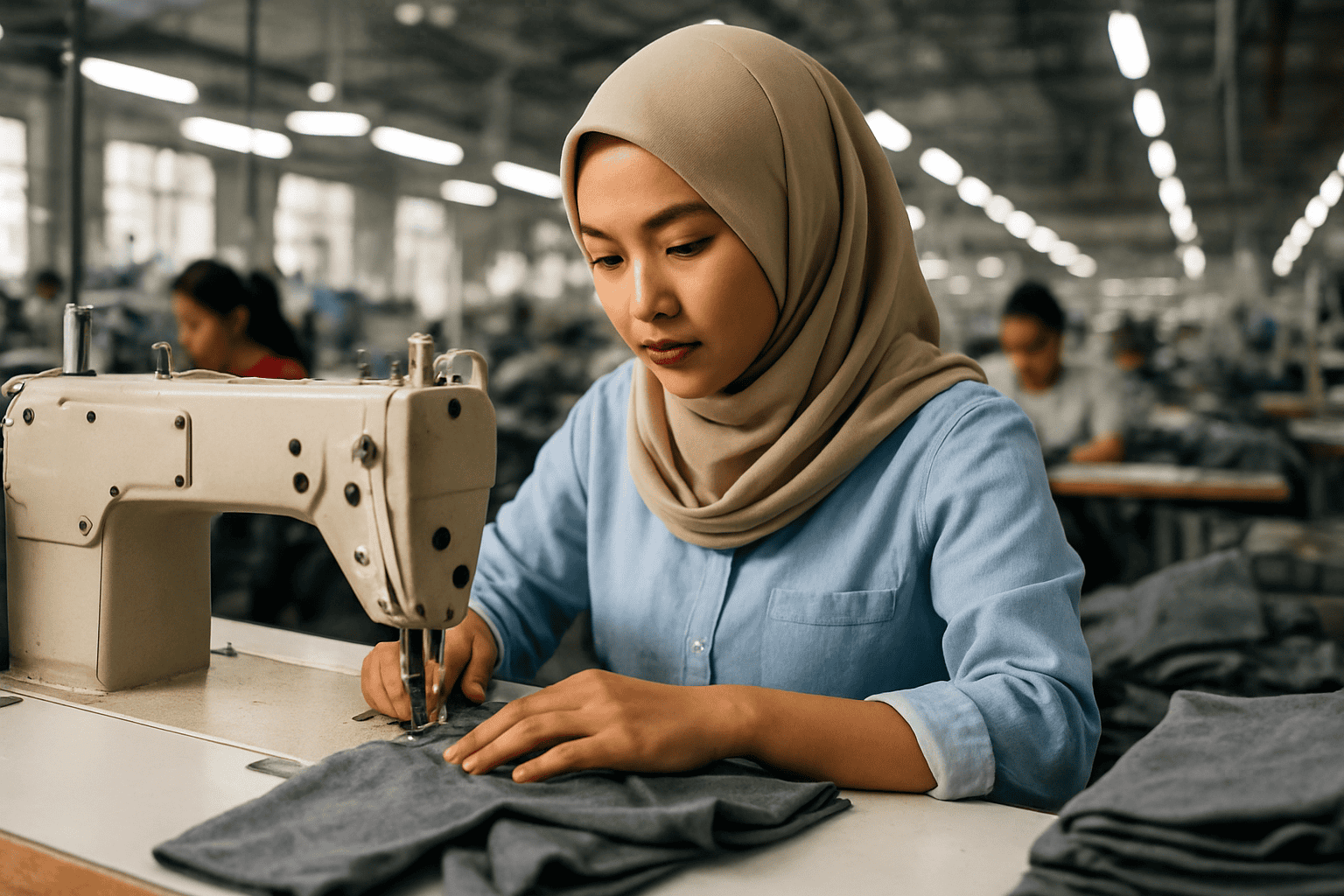
Indonesia is emerging as a compelling alternative to China for apparel manufacturing. Located in Southeast Asia’s manufacturing corridor, Indonesia combines competitive labor costs with improving infrastructure and skilled workers. The country offers something many brands crave: quality production without the premium China price tag.
Labor costs in Indonesia remain significantly lower than China while matching quality standards. Workers bring strong textile skills and attention to detail. The country’s large population ensures a steady workforce supply. Unlike some smaller nations, Indonesia can handle both small batch orders and large-scale production runs.
Indonesia’s government actively supports the garment industry through investment incentives and infrastructure development. The country has signed multiple free trade agreements that eliminate or reduce tariffs for many markets. This makes Indonesian-made garments more competitive in global markets, especially when tariffs affect Chinese goods.
The geographic advantage matters too. Indonesia sits in a stable region with good shipping connections to major markets. Lead times to the United States, Europe, and Australia are reasonable. The country’s political stability and business-friendly policies create a predictable environment for long-term partnerships.
Benefits of Choosing Emerging Manufacturing Countries
Cost efficiency tops the list of benefits when moving production to emerging markets. Lower wages and operational costs translate directly to better margins or more competitive retail pricing. For brands operating on thin margins, this difference can be substantial. The savings often match or exceed what brands paid in China a decade ago.
Supply chain flexibility is another major advantage. Emerging countries are hungry for business and willing to accommodate smaller orders and faster turnarounds. This flexibility helps brands test new designs without committing to massive production runs. Quick response times let fashion companies stay agile in fast-changing markets.
Many emerging manufacturing countries are investing heavily in green technologies and sustainable practices. They recognize that modern brands demand environmental responsibility. Countries like Indonesia are building eco-friendly factories and adopting cleaner production methods. This alignment with sustainability goals helps brands meet consumer expectations and regulatory requirements.
Challenges to Consider
Quality control can be inconsistent when working with new manufacturing partners in emerging markets. Not all factories maintain the same standards. Brands need to invest time in vetting suppliers and establishing clear quality benchmarks. Regular inspections and strong communication help maintain consistency, but they require effort and resources.
Ethical and environmental concerns deserve careful attention. While many emerging countries are improving standards, some factories still fall short on worker rights and environmental protection. Brands must conduct thorough due diligence to ensure their partners meet internationally recognized labor and environmental standards. Your reputation depends on it.
Political instability poses risks in some emerging markets. Changes in government, trade policies, or regulations can disrupt production and shipping. Currency fluctuations add another layer of uncertainty. Brands should assess political risk carefully and consider diversifying across multiple countries rather than switching from one single source to another.
What Makes a Good China Alternative
A viable alternative to China for apparel must check several boxes. First, competitive pricing without compromising quality. Brands can’t afford to sacrifice the fit and finish their customers expect. The country should offer skilled workers who understand garment construction and can execute complex designs.
Reliable infrastructure matters enormously. Good ports, stable electricity, and modern communication systems keep production on schedule. Delays cost money and damage brand relationships. Countries with proven logistics networks and on-time delivery records stand out from the pack.
Trade agreements and tariff structures influence the total cost equation. Countries with favorable access to your target markets reduce landed costs. Political stability and transparent business regulations create confidence for long-term investments. The best alternatives offer a complete package, not just low wages.
How to Transition Production Successfully
Start small when testing a new manufacturing country. Place trial orders to evaluate quality, communication, and delivery timelines. This low-risk approach lets you learn about your new partner without committing your entire production. Use these initial runs to identify and fix potential issues before scaling up.
Build strong relationships with your manufacturing partners. Visit factories in person when possible. Clear communication prevents misunderstandings and builds trust. Share your quality standards explicitly and provide detailed technical specifications. The more your partner understands your expectations, the better they can deliver.
Maintain quality control throughout the transition. Independent inspections catch problems before goods ship. Establish checkpoints at key production stages. Don’t assume everything will work perfectly from day one. Continuous monitoring and feedback help your new partner improve and adapt to your specific needs.
The Role of Local Expertise
Working with established manufacturers who know the local landscape saves time and headaches. Companies with decades of experience understand the nuances of their home markets. They have relationships with fabric suppliers, know which factories excel at specific garment types, and can navigate local regulations efficiently.
Local manufacturers often provide end-to-end services that simplify your supply chain. From fabric sourcing to final packing, they handle the details so you can focus on design and sales. This integrated approach reduces the number of vendors you manage and streamlines communication.
Experienced local partners also understand international quality standards and can meet the expectations of global brands. They’ve worked with foreign clients before and know how to deliver consistent results. Their track record provides confidence that your production will meet deadlines and quality benchmarks.
Future Trends in Apparel Manufacturing
The future of apparel manufacturing will be more distributed. No single country will dominate the way China has for the past two decades. Brands will source from multiple countries to balance risk and opportunity. This diversification creates a more resilient global supply chain.
Sustainability will drive manufacturing decisions. Countries that invest in green technologies and ethical labor practices will win business. Consumers increasingly demand transparency about how and where their clothes are made. Manufacturers that can prove their environmental and social credentials will have a competitive edge.
Technology will reshape how garments are made. Automation, digital pattern making, and data-driven quality control are becoming standard. Countries that adopt these technologies while maintaining competitive costs will attract forward-thinking brands. The combination of human skill and modern technology creates the best outcomes.
Why Indonesia Deserves Your Attention

Indonesia checks all the boxes for brands seeking an alternative to China for apparel manufacturing. Competitive pricing matches the cost advantages that originally drew brands to China. Quality standards compare favorably with established manufacturing centers. The country’s location in Southeast Asia offers supply chain stability and reasonable shipping times.
Indonesian manufacturers are investing in their capabilities and infrastructure. Many factories now meet international environmental and labor standards. The government supports the industry through policies that encourage foreign investment and streamline business operations. This combination creates a favorable environment for long-term partnerships.
For fashion brands and organizations looking to diversify their supply chains, Indonesia represents a smart choice. The country offers the scale to handle large orders, the flexibility to accommodate smaller runs, and the quality to meet demanding brand standards. As more companies discover Indonesia’s advantages, early movers will benefit from established relationships with the best manufacturers.
Frequently Asked Questions
What countries are the best alternatives to China for clothing manufacturing?
Bangladesh, Vietnam, India, and Indonesia are the leading alternatives. Indonesia stands out for combining competitive costs, quality production, favorable trade terms, and political stability. Each country offers different strengths depending on your specific needs.
Why are brands moving apparel production away from China?
Rising labor costs in China have made production more expensive. Average manufacturing wages increased from $2. 20 to $6-7 per hour. Supply chain risks, trade tensions, and tariffs also motivate brands to diversify their manufacturing locations.
How much does it cost to manufacture apparel in Indonesia compared to China?
Indonesian manufacturing costs are typically 20-30% lower than current Chinese rates. Labor costs are more competitive while quality remains comparable. Trade agreements also reduce or eliminate tariffs for many markets, improving the total cost picture.
What types of garments can be manufactured in Indonesia?
Indonesia excels at producing woven shirts, blouses, dresses, uniforms, religious wear, denim, and outerwear. Manufacturers handle both simple and complex designs. The country’s diverse capabilities serve brands across multiple fashion categories.
How do I ensure quality when manufacturing outside China?
Work with experienced manufacturers who have proven track records. Conduct factory visits and audits before committing. Implement inspection protocols at key production stages. Clear communication and detailed specifications help maintain consistent quality standards.
What should I look for in an alternative manufacturing country?
Evaluate labor costs, workforce skills, infrastructure quality, political stability, and trade agreements. Consider the country’s investment in sustainable practices and ethical labor standards. The best alternatives offer competitive pricing without sacrificing quality or reliability.
How long does it take to transition production to a new country?
Initial trial orders typically take 2-3 months from order to delivery. Full transition timelines vary based on production volume and complexity. Starting with smaller test runs reduces risk and helps establish smooth processes before scaling up.
Is Indonesian manufacturing sustainable and ethical?
Many Indonesian manufacturers align with internationally recognised environmental and labor standards. The country is investing in eco-friendly technologies and ethical production practices. Always verify your specific partner’s credentials and certifications before committing.
If you’d like to work with us, contact us here