Rayon, viscose and crepe are the summer wovens Australian retail shops between most: fluid cloths that keep their cool in the heat, and a crepe that holds a shape through a long day. This woven fabric guide explains how each behaves, which garments each suits, and the order window a 2027 summer range has to hit.
Which wovens suit Australian summer retail?
Summer-weight wovens justify their spot in a range on two counts: the drape they give a garment, and the way they wear in heat. Rayon and viscose lead the fluid end for dresses and blouses, crepe holds the structured middle, and shirting and poplin take the tailored pieces. Together they anchor the summer window in our Australian production calendar, with twill covering trousers where a range includes them.
How do rayon, viscose and crepe differ?
Rayon and viscose are close relatives: cellulose-based cloths that drape fluidly and feel cool against the skin, and viscose is the name most common on Australian care labels for that same family. Crepe plays a different hand. Its textured surface and pebbled hand hold more structure than a plain rayon, which is why swings, wraps and all-day pieces lean on it.
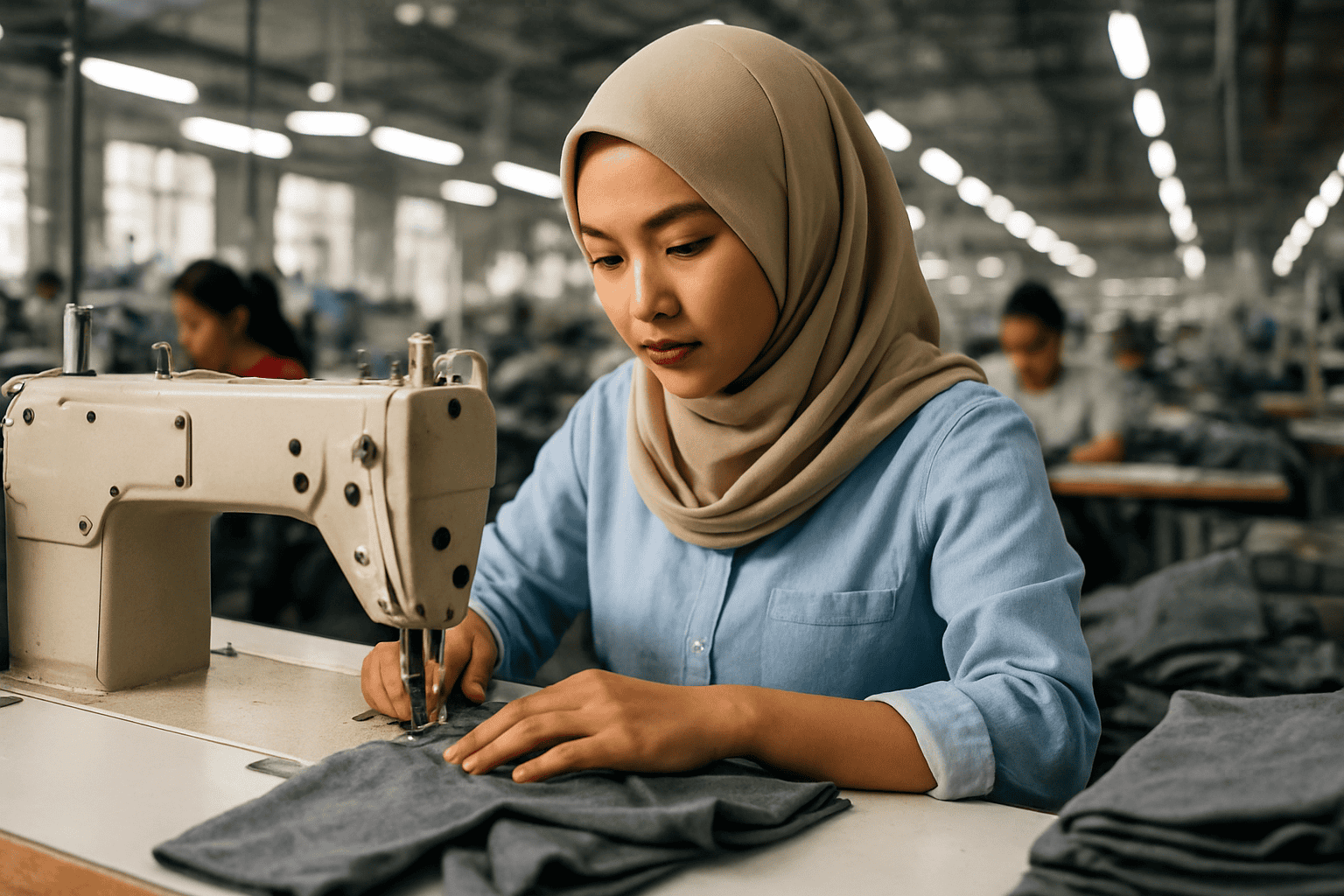
On the cutting table the differences matter as much as on the hanger. Fluid cloths shift at the cut unless the marker respects the drape, and drift in a fluid cloth shows at the seam long before a customer ever sees it. Handling that well is woven-floor craft, and it is a fair question to put to any factory you are vetting.
Which fabric suits which summer garment?
Dresses lead with rayon and viscose, where the drape does the design work. Blouses sit happily across viscose and crepe, depending on how structured the pattern is. Crepe carries wraps and any piece that needs to hold a shape through a hot day. Shirting and poplin take the tailored end: the summer shirts that need to read crisp from the first wear to the last ironing. A summer range usually mixes across the family rather than committing to one cloth, which is why the minimum runs per style rather than per order.
When should a summer range order its fabric?
The ordering window for Christmas and summer stock runs Jul – early Aug 2027, for stock on the shelf by mid-November 2027, and fabric choices belong at the front of that window. Stock qualities keep the clock at its published range, bulk at 6 to 12 weeks from cut; a house colour matched at the mill moves a style to custom fabric development, which starts at 1,500 pieces per style and adds weeks to the front. Sampling runs 1 to 2 weeks per round, so a range that wants cloth decisions made early locks its fabric direction at the quote. Orders later than early August 2027 miss the window for a mid-November 2027 shelf date.
What care labelling do summer fabrics need?
Care labelling is mandatory for clothing sold in Australia. The Consumer Goods (Care Labelling) Information Standard 2023, based on AS/NZS 1957, sets what the label must carry: instructions in English, in the five international care symbols, or both. Rayon and viscose pieces often need gentler instructions than a polyester-cotton shirt, which is exactly why the label is specified before bulk so it is sewn in with the garment and matches the cloth it describes.
How does a factory keep fluid summer wovens consistent at volume?
A 1,000-piece run of a fluid fabric is where woven discipline shows. The pattern work stays digital on Lectra systems, cloth is inspected before it reaches the cut, and the checks that catch drift sit along the line while the style is still running, with colour judged against the approved sample. That is what keeps the thousandth garment wearing like the hundredth.
Woven summer fabric questions from buyers
Which is better for summer dresses, rayon or viscose?
They are close enough that the pattern should decide. Both drape fluidly and both suit heat; viscose is the more common name on Australian labels for the same cellulose family. The practical difference sits in the specific cloth, weight and finish, which is chosen at the quote stage against the range plan.
Does crepe wrinkle less than rayon?
Generally yes: crepe’s textured surface resists showing creases across a long day, which is why it carries travel-weight and all-day pieces. Rayon drapes more fluidly but shows creases sooner. The right choice depends on whether the design wants movement or structure.
Is rayon hard to care for in summer ranges?
Rayon’s careful-washing reputation comes from the cloth rather than the garment, and the answer is set at specification: the care label is specified before bulk so the instructions on the garment match the cloth it describes. Your customer reads exactly what their piece needs.
Can a label order its own house colour?
Yes, through custom fabric development, which starts at 1,500 pieces per style and adds weeks to the front of the clock. Ranges that suit stock colours keep the published lead times; the trade-off is decided style by style at the quote.
What quantity does a summer fabric range need?
Bulk production runs from 1,000 pieces per style on stock qualities, mixed across the size run. A first range below that scale runs on the 500-piece FOB lane at Kizen Lab, our sister company on the same campus, and graduates up when the styles prove out.
When must a summer range be ordered for 2027?
Order Jul – early Aug 2027 for stock on the shelf by mid-November 2027. Later orders miss the window for that shelf date, which is why the fabric direction locks early in the window.
How do we start a summer range with our own fabric direction?
Send the styles, the fabric direction and the shelving date, and the quote comes back with stock options or a custom development path where the colour needs it. Start at the contact page, and clothing manufacturer quotes explains what the quote will contain.