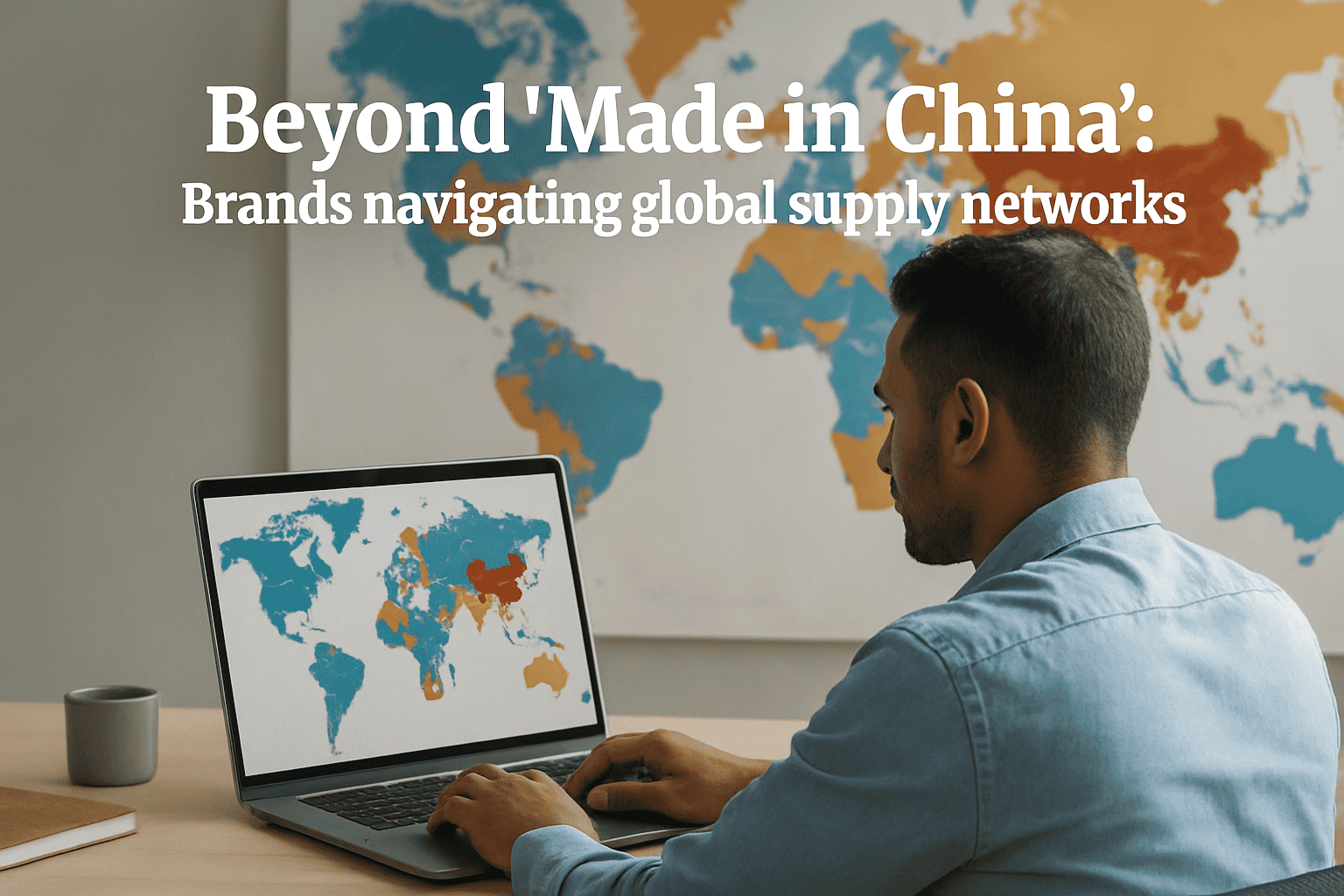
Beyond ‘Made in China’: Brands navigating global supply networks
Table of Contents
- Introduction
- 1. Diversification of Sourcing: From China to Multiple Hubs
- 2. Regional Powerhouses: Vietnam, India, and Southeast Asia as Alternatives
- 3. End-to-End Supply Chain Transparency: Digital Tools and Data-Driven Risk Management
- 4. Resilience-Focused Sourcing Strategies: Redundancy, Agility, and Localized Production
- 5. Compliance and Sustainability: Aligning Global Standards Across Networks
- 6. Collaboration Models: Flexible Partnerships with Manufacturers and Brands
- Conclusion
Introduction
Rethinking global supply networks in a post pandemic era
The COVID-19 pandemic showed how fast shocks travel through global supply chains. Relying on a single location left brands exposed to disruption. The lesson is clear: supply chain resilience has become a priority.
A consumer electronics brand that split wafer fabrication across two regions reduced downtime during a factory fire by quickly rerouting components from the second site. Design your network with contingency paths, not just cost targets. Real time visibility, diversified partners, and flexible logistics are essential to weather shocks and sustain growth.
Practical steps: map critical components, identify alternate suppliers with comparable capacity, and test contingency plans quarterly. Invest in digital twins of your supply network to simulate disruption scenarios and quantify recovery time. Track metrics like supply continuity, transit time variance, and on time in full rates to inform decisions.
Why brands must look beyond traditional sourcing hubs
Traditional origins alone do not guarantee stability or speed. Asia manufacturing and broader regional networks offer a smarter path to balance cost, quality, and lead times.
Expanding beyond one geography gives you more production location options, supplier diversity, and better risk management. Consider a tiered supplier strategy that includes local backups for high-demand SKUs and alternative freight routes to avoid port congestion.
- Global supply chains are shifting toward multi hub models
- Nearshoring and regional clusters cut transit times and broaden buffers
- Data driven risk assessment guides proactive sourcing decisions
1. Diversification of Sourcing: From China to Multiple Hubs
Benefits and risks of multi-hub sourcing
Diversifying sourcing across multiple hubs protects your brand from regional shocks while unlocking flexibility in lead times, cost structures, and currency dynamics. It also helps preserve access to regional skills and expertise.
However, broader networks introduce coordination challenges, potential quality variance, and longer supplier qualification cycles. Strong governance and robust data capabilities are essential to keep performance consistent.
- Enhanced resilience through redundancy in critical components
- Improved agility to respond to regional demand shifts
- Potential for faster time to market via multi country sourcing strategy through regional production nodes
Case studies of successful diversification
Designers shifting portions of production to Southeast Asia and nearby hubs demonstrate that craftsmanship can be sustained while reducing pressure on any single ecosystem. Strategic partnerships with regional manufacturers enable co engineering and shared capacity investments.
Industry players tailor sourcing strategies to product families, keeping core essentials in scalable hubs and reserving high value or niche lines for specialized locales. This approach balances cost efficiency with pace and craftsmanship.
2. Regional Powerhouses: Vietnam, India, and Southeast Asia as Alternatives
Why these regions are becoming manufacturing magnets
You are looking beyond traditional hubs. Vietnam, India, and Southeast Asia offer skilled labor, improving infrastructure, and policies that reduce risk during shocks. Proximity to key markets helps shorten lead times and lower transportation costs.
Regional ecosystems are maturing. Local suppliers, universities, and design studios collaborate to speed product development and scale. The result is a more integrated end-to-end pipeline that complements existing networks and strengthens global supply chains.
Competitiveness, capabilities, and constraints within each region
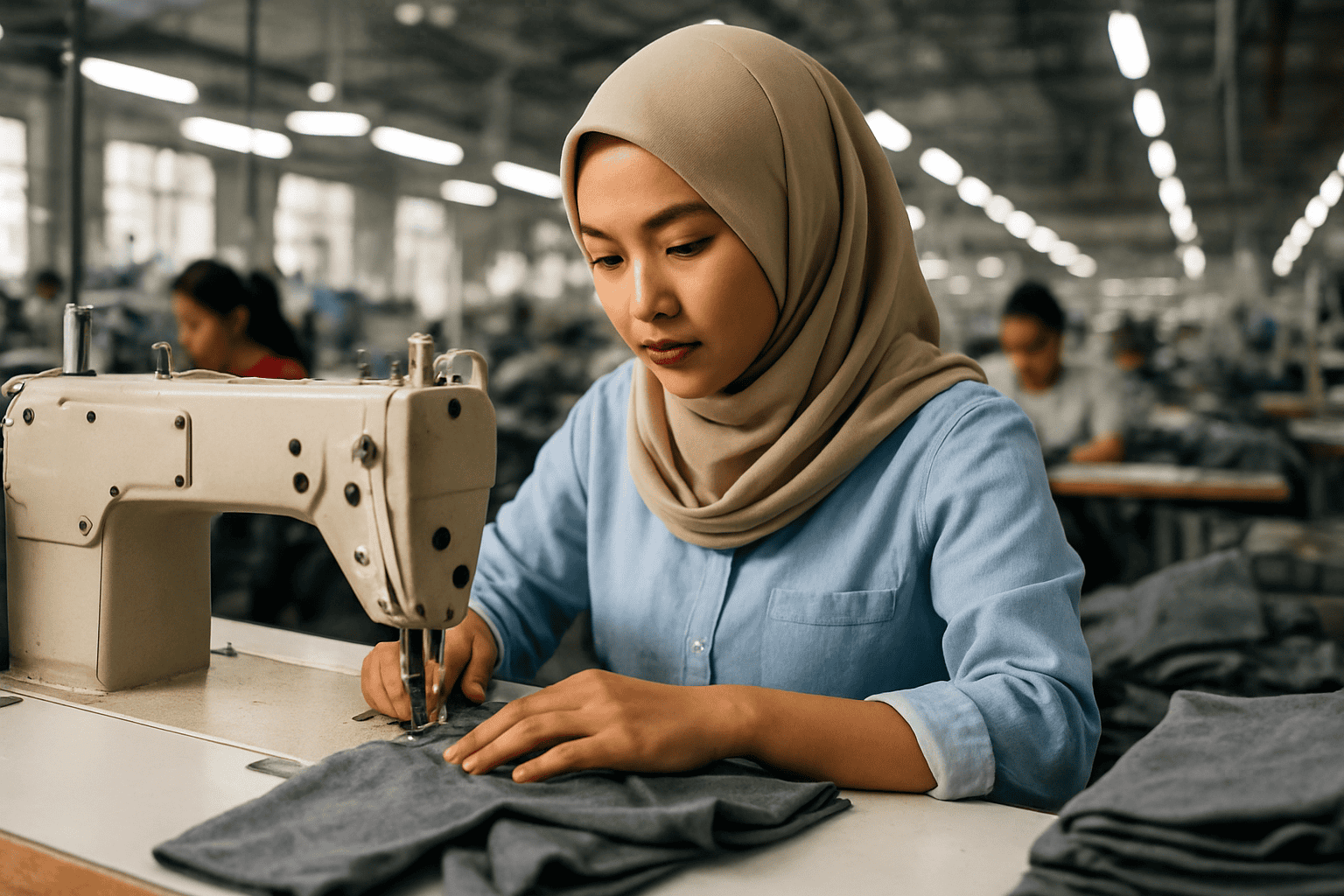
Vietnam delivers robust garment and accessory manufacturing with consistent quality control and competitive unit costs. Strong cooperation between government agencies and industry groups, plus efficient export logistics, support steady performance. For example, a footwear brand can shave weeks from delivery by leveraging Vietnam’s turnkey leather sourcing and rapid QA cycles.
India brings scale, design talent, and a growing electronics supply base. It benefits from a diverse supplier base and a large, skilled workforce. Decision cycles can be longer, and regulatory requirements continue to evolve, so brands must navigate thoughtfully. Practical step: map required permits early and pilot with a small run to validate compliance before full-scale production.
Southeast Asia offers a multi-country landscape with flexible options. Capabilities cover textiles, footwear, and small to mid-size electronics. Watch for varying standards, incentive regimes, and the need for cross-border coordination across customs networks. Actionable tip: establish a regional procurement hub in Singapore or Malaysia to streamline customs and aggregate vendor contracts.
- Balanced cost structures across hubs
- Expanding regional logistics corridors
- Growing local engineering and product development capacity
3. End-to-End Supply Chain Transparency: Digital Tools and Data-Driven Risk Management
Blockchain, traceability, and real-time visibility
You can track materials from origin to shelf with digital platforms. Blockchain provides an immutable ledger of transactions, while traceability dashboards turn data into actionable insights for sourcing teams. Real-time visibility helps you spot delays early and prevent cascading disruptions.
Within a manufacturing context, consistent data formats enable quick comparisons of supplier performance across geographies, reducing manual reconciliation time during quarterly audits.
To put this into practice, establish a single source of truth for supplier data and automate alerts when a shipment misses a milestone. Train procurement staff to read dashboards and trigger corrective actions within 24 hours of a deviation. World KNK recommends piloting the workflow with two regional suppliers before scaling.
4. Resilience-Focused Sourcing Strategies: Redundancy, Agility, and Localized Production
The role of nearshoring and regional manufacturing clusters
Nearshoring can cut transit times and reduce exposure to long-haul disruptions. Proximity to key markets supports just-in-time replenishments while maintaining cost discipline. Regional clusters create dense ecosystems of suppliers, logistics, and technical talent that accelerate product development and problem solving.
In practice, pilot a regional supplier council to share demand signals and forecast risks. Measure lead time reductions by locale and set a 10, 20 percent improvement target within the first year.
- Clusters enable shared infrastructure, pooled logistics, and collective risk management
- Brands gain improved visibility and faster feedback loops across the supply network
5. Compliance and Sustainability: Aligning Global Standards Across Networks
Labor, environmental, and governance considerations across hubs
You must harmonize labor practices, environmental impact, and governance across every sourcing hub. Uniform standards reduce risk and protect brand integrity. Local laws matter, but so do international frameworks that set baseline expectations.
Engage regulators and trade bodies to translate policy shifts into concrete supplier requirements. Clear, auditable expectations keep performance consistent across regions. This approach supports long term reliability in complex networks.
Verifying supplier ethics in a dispersed network
Ethical verification relies on multiple touchpoints across geographies. Third party audits, worker voice programs, and transparent reporting build trust. Consistency comes from standardized questionnaires and shared data formats.
Brands should implement continuous monitoring rather than one off checks. Real time alerts for red flags enable swift remediation. A dispersed network benefits from centralized dashboards that correlate social, environmental, and governance metrics.
| Aspect | Requirement | Measurement |
|---|---|---|
| Labor standards | Fair wages, reasonable hours, safe conditions | Audit results, wage benchmarks, incident reports |
| Environmental impact | Emissions controls, waste management, responsible sourcing | Facility certifications, lifecycle assessments, waste metrics |
| Governance | Transparent governance, anti corruption, data privacy | Policy compliance records, incident tracking, data security audits |
6. Collaboration Models: Flexible Partnerships with Manufacturers and Brands
Co engineering, vendor managed inventories, and joint ventures
Co engineering brings designers and suppliers into the early design phase. The result is faster prototyping and specs that align with manufacturing realities. The payoff is less rework and tighter quality across hubs.
Vendor managed inventories shift stock oversight to manufacturers. You gain greater visibility and fewer stockouts during demand swings, while reducing carrying costs. It helps sustain service levels across regions.
Joint ventures pool capital, risk, and expertise to scale strategic product lines or regional clusters. Shared governance speeds decisions and clarifies accountability for performance metrics.
- Early design collaboration to minimize retooling
- Inventory partnerships that reduce lead times
- Co funded facilities or tooling for strategic products
Leveraging ecosystem partnerships to de risk supply chains
Strategic ecosystems unite manufacturers, logistics providers, and technology platforms. The goal is redundancy without duplicating effort. Shared platforms improve data flow and problem resolution across regions.
Industry forums and supplier networks enable rapid access to alternative suppliers when shocks occur. This keeps product cycles moving and preserves delivery commitments.
Conclusion
Global supply networks are dynamic and interconnected, not fixed maps. You win by looking beyond a single hub and building diverse, resilient partnerships that align with your product and timing needs.
World KNK advocates using regional strengths to shape a long term plan. Indonesia remains a stable manufacturing base, complemented by regional partners to balance capacity, speed, and cost. This approach helps weather shocks and keep deliveries steady.
- Adaptability over rigidity: diversify across multiple hubs to reduce risk.
- Transparency as a driver: real time visibility supports decisive action.
- Collaborative models: co engineering and shared tooling accelerate cycles.
| takeaway | rationale | expected outcome |
|---|---|---|
| Diversified sourcing | Reduces exposure to regional disruptions | Better continuity of supply |
| End to end visibility | Enables proactive risk management | Fewer surprises in delivery and quality |
| Strategic collaboration | Leverages ecosystem strengths | Faster time to market |
Key topics shaping global supply chain strategy include shifts in sourcing patterns, the move toward nearshoring and diversification, and resilience tactics amid shocks. Brands are recalibrating to maintain lean inventories, improve risk management, and sustain production through volatile times. By combining Indonesia’s manufacturing base with regional partnerships, World KNK and its subsidiary Kizen Lab supports consistent delivery while staying responsive to changing demand and global trade conditions.
References
- Navigating Challenges of the COVID-19 Pandemic and Beyond
- China and the Future of Global Supply Chains – Rhodium Group
- [PDF] De-risking Global Supply Chains: Looking Beyond Material Flows
- The supply chain shift – From global to local and back – YouTube
- Navigating supply chains in a fractured world – East Asia Forum